20 College Ave., Davis Square, Somerville, MA 02144
Pasta alla Gricia vs Carbonara: Rome’s Best Pasta Dishes
Michele Giuli
Explore the delectable world of Roman pasta dishes with our in-depth comparison of pasta alla gricia vs. carbonara. Uncover the origins, ingredients, and preparation methods behind these classic Roman recipes.
When it comes to Italian cuisine, few dishes have captured the world’s imagination like Roman pasta. I’m talking about the supreme quartet: cacio e pepe, amatriciana, pasta alla gricia, and, obviously, carbonara.
Forget about risotto alla milanese or spaghetti bolognese. With their rustic elegance and mouth-watering flavors, these classic pasta dishes embody the true spirit of Roman cuisine. And despite their supposed simplicity, they outshine many of the more complex dishes.
But here’s a fascinating twist – did you know that some of the most iconic Roman pasta recipes were not actually born in Rome? Yes, it’s true!
I actually tell that story a lot in my posts. Three of these dishes were brought to Rome by shepherds from the province of Rieti in Abruzzo less than three centuries ago. However, today they have become integral parts of Roman culture and gastronomy.
There’s A LOT to say about these dishes. Despite being made with simple ingredients, they have a rich history and actually require a lot of care to be done perfectly.
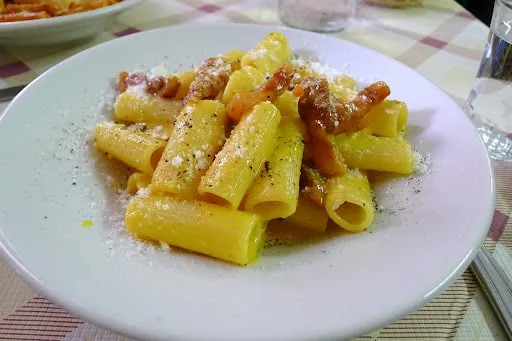
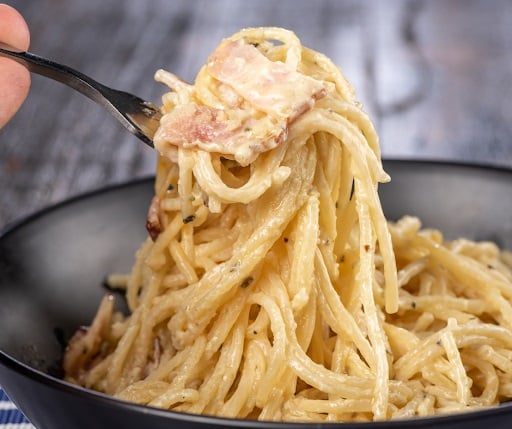
So, in this comprehensive blog post, we’ll delve into the captivating history of Roman pasta dishes, with a focus on two legendary contenders: Pasta alla Gricia vs. Carbonara. The reason is that, despite being very similar, these two dishes are kinda like the opposites of a spectrum. A spectrum that goes from an ancient recipe that was invented centuries ago, to post-WWII Rome and a chef who had to feed a lot of soldiers.
As we explore their origins, ingredients, preparation methods, and cultural significance, you’ll soon become an expert on Roman main courses. So, let’s embark on this savory journey and discover the flavors that have won the hearts of Romans and food enthusiasts worldwide.
So, as I was saying, with the exception of carbonara, the most classic Roman pastas are not of Roman origin. It’s a fact that will never cease to amaze me, and if you’ve read my other posts about these dishes, you’re probably very familiar with it.
These dishes were actually imported less than three centuries ago by shepherds from the province of Rieti, which was in Abruzzo at the time. These shepherds would travel as far as Rome during thetranshumance season, and they brought with them only a handful of long-life foods that were easy to store, such as pecorino cheese, flour, black pepper, and guanciale – a local meat cut made from pork jowl.
Which, coincidentally, are the main ingredients of all the most famous Roman pasta dishes 😉
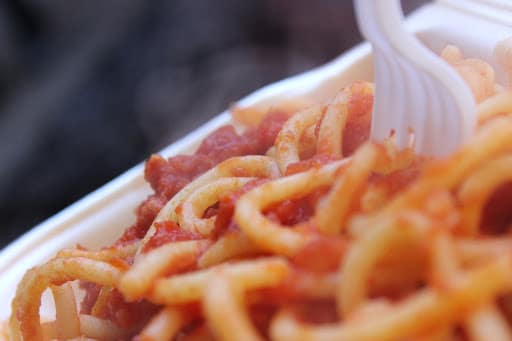
Cacio e pepe? From the shepherds of Rieti. Amatriciana? It gets its name from Amatrice, province of Rieti. Pasta alla gricia? It is actually the “progenitor” of Amatriciana. You get the idea.
Carbonara is the only exception, as it was probably invented in Rome during the 1940s. Its invention didn’t have any link (that I know of) with the other aforementioned recipes. In fact, it was likely influenced by the habit of the Allied forces in Rome to eat eggs and bacon.
However, a quick look at its ingredients is enough to see that when it started to spread, the Romans transformed it based on what they were already familiar with.
Regardless of their origins, these dishes quickly made their way into the hearts of Roman people, who incorporated them into their culture. And nowadays, no one can talk about Roman cuisine without mentioning them.
This shift is also evidenced by the fact that although the original recipes were made with pecorino di Amatrice, they are now made primarily with pecorino romano cheese. These two cheeses are very similar to each other, but they have different PDOs and come from geographical areas with very distinct histories and cultures.
I know, it may not sound like much, but this is a country where, if you move 15 miles, the dialect changes and the local products are different, so bear with me 😀
Now, let’s see in detail what these classic Roman pasta dishes are all about. By the end of this post, you will be familiar with each of the recipes I have mentioned so far and be able to call yourself an expert on Roman main courses.
Italian food blogger forged in the heat of his aunt's Sunday lunches. He lives in a small town in Central Italy and spends his days cooking and writing.